
Schema Therapy for Couples
You Already Know How to Treat Couples. This Is Why Some of Them Still Don’t Change.
Schema Therapy for Couples gives experienced clinicians the layer underneath EFT, the Gottman Method, and other approaches, so you can finally see what’s driving the couples who haven’t moved. Train live with Travis Atkinson, a co-developer of the model who also brings advanced certification in EFT and the Gottman Method, this Fall 2026.
Apply for the Next Cohort See the Fall 2026 Dates
ISST-Approved Coursework · Cohorts Capped at 20 · Taught by a Co-Developer of the Model

The Problem
The Couples Who Don’t Move
One partner has folded into silence. Arms crossed, eyes on the floor. The other leans forward, voice rising, cataloging every failure from the past six months. You have seen this cycle before. You have named it for them, mapped it, slowed it down in session. And still, the moment a raw spot gets touched, they are right back in it.
Some couples respond to the standard playbook. Others do not. The pattern repeats regardless of insight, and the partners who keep activating it are often the ones carrying the deepest schemas, sometimes with personality dynamics underneath. For these couples, naming the cycle is not enough. You need a model built to reach what drives it.
The same fight, different week
Insight lands. Behavior doesn’t follow.
Attachment work helped, then stalled
One partner’s patterns run the room
The Integration
You Don’t Have to Leave Great Couples Therapy Behind
This training is built for experienced clinicians who already work from EFT, the Gottman Method, IBCT, ACT, CBT, or psychodynamic therapy. You are not being asked to start over. Each of these models does something real and valuable, and Schema Therapy for Couples adds the conceptual layer that explains why some couples change while others stay stuck.
EFT
Builds emotional attunement
Gottman
Builds skills and repair
Imago / IBCT
Builds insight into the dynamic
Schema Therapy
Reaches the patterns underneath all three
Schema Therapy was developed for the hardest individual cases, the borderline, narcissistic, and avoidant presentations that resist other approaches. Schema Therapy for Couples brings that same depth into the room with both partners, working with the early schemas and modes each one carries and the clash between them.
Why Learn This Integration From Travis Atkinson
Most clinicians learn Schema Therapy in isolation, from a trainer rooted in a single tradition. Travis has spent decades practicing and teaching across the major evidence-based couples models, and that is what makes genuine integration possible. He does not teach Schema Therapy as a replacement for EFT or the Gottman Method. He teaches how it deepens the work you already do, when each model is most useful, and what Schema Therapy sees that the others miss.
- ✓Co-developer of Schema Therapy for Couples
- ✓Trained extensively by Jeffrey Young
- ✓Certified EFT Therapist and Supervisor
- ✓Founder of the New York Center for Emotionally Focused Therapy
- ✓Original NYCEFT Board Member
- ✓Certified Gottman Method Couples Therapist since 2006
- ✓Eight years of advanced Gottman training
Learn the Original Model
Learn the Original Schema Therapy Model
Schema Therapy has evolved in different directions over the years. This program teaches the model grounded in Jeffrey Young’s original conceptualization and the approach used in the research that established Schema Therapy as an evidence-based treatment.
Participants develop a deep understanding of early maladaptive schemas, schema modes, unmet emotional needs, coping styles, and experiential change processes before learning how these concepts transform couples work.
Because Travis Atkinson trained directly under Jeffrey Young, what you learn here stays faithful to that original conceptualization rather than a later reinterpretation of it.
The Heart of the Training
You Will Learn to Think in Schemas
Most training teaches interventions. This one changes how you conceptualize a couple. That is the difference you feel first, and the one that stays with you long after the program ends.
Where most training stops
You learn what to do in the moment. A chairwork script, an imagery exercise, a way to de-escalate a fight. Real skills, but the case still arrives as a set of separate techniques.
Where this training takes you
You learn to read the whole case through one lens. Conflict, attachment injuries, repetitive cycles, partner selection, unmet needs, and repair all become legible as the schemas and modes driving them.
By the end of the program, you are not memorizing schema names. You are using schemas to organize complex clinical decision-making.
Who This Program Is For
Built for Clinicians Who Already Work With Couples
If you already work from
- ✓Emotionally Focused Therapy (EFT)
- ✓The Gottman Method
- ✓Imago Relationship Therapy
- ✓Integrative Behavioral Couple Therapy (IBCT)
- ✓Acceptance and Commitment Therapy (ACT)
- ✓Cognitive Behavioral Therapy (CBT)
- ✓Psychodynamic Therapy or Internal Family Systems (IFS)
- ✓An integrative approach to couples work
If you are a
- ✓Psychologist
- ✓Licensed Clinical Social Worker
- ✓Licensed Marriage and Family Therapist
- ✓Licensed Professional Counselor
- ✓Psychiatrist
- ✓Another licensed mental health clinician working with couples
Rather than asking you to abandon what you already do well, this training helps you understand when each approach is most useful and how Schema Therapy can deepen your conceptualization of difficult couples.
Why This Training
Built for Clinicians Who Are Already Serious
Learn From a Co-Developer
Train directly with one of the clinicians who helped create Schema Therapy for Couples, not a second-generation instructor.
Small, Interactive Cohorts
Capped at 20 participants for real case discussion, not a lecture hall.
Experiential Learning
Chairwork, imagery rescripting, and mode dialogues practiced live, not just described.
International Community
Train alongside clinicians from around the world who treat the same difficult couples you do.
ISST-Approved Coursework
All 33 hours apply directly toward ISST Schema Therapy for Couples certification.
Immediate Clinical Application
Each week’s material is built to use with your caseload before the next session.
What You Will Learn
A Graduate-Level Curriculum, Built to Be Used
33 hours of live coursework across 11 weeks, organized into five areas that build on each other.
Assessment+
Map each partner’s schemas and the couple’s default mode cycle before you intervene.
Key skills: assessment inventories including the YSQ-3, YPI, SMI, BDI, BAI, and DAS; Schema Flashcards, Mode Mapping, Mode Clash Cards, and the Needs vs. Wants tool; identifying Schema Chemistry, complicating factors, and contraindications.
Therapeutic Relationship Strategies+
Build and protect the therapeutic bond with two people in the room, including how to work with your own activated schemas.
Key skills: empathic confrontation, therapeutic self-disclosure, rupture repair, and the ethical considerations specific to couples work.
Interventions and Change Strategies+
The experiential core of the model: Connecting Dialogues, chairwork, and imagery rescripting.
Key skills: linking childhood origins to current relationship patterns, shifting mode clashes in real time, and assigning between-session homework through the Couples Toolbox.
Solidifying Change and Preventing Relapse+
Move beyond insight into change that holds: shared meaning, a shared narrative, and sustained intimacy.
Key skills: self- and partner-soothing, successful repairs, addressing sexual dysfunction, and building a stance of curiosity and acceptance.
Treating Difficult Couples+
Apply the model to the cases that resist standard approaches.
Key skills: affairs and betrayals, addiction and aggression, trauma histories, and couples where one or both partners meet criteria for a personality disorder.
The Difference
What Makes Schema Therapy for Couples Different
Traditional Couples Work
- −Communication skills training
- −In-the-moment conflict de-escalation
- −Present-focused problem solving
- −Generic homework assignments
Schema Therapy Adds
- ✓Early maladaptive schemas and modes
- ✓Childhood origins of relationship patterns
- ✓Unmet emotional needs beneath the conflict
- ✓Mode cycles that repeat across arguments
- ✓Imagery rescripting and chairwork
- ✓Limited reparenting within the couple’s dynamic
- ✓Schema Chemistry: why certain partners activate each other
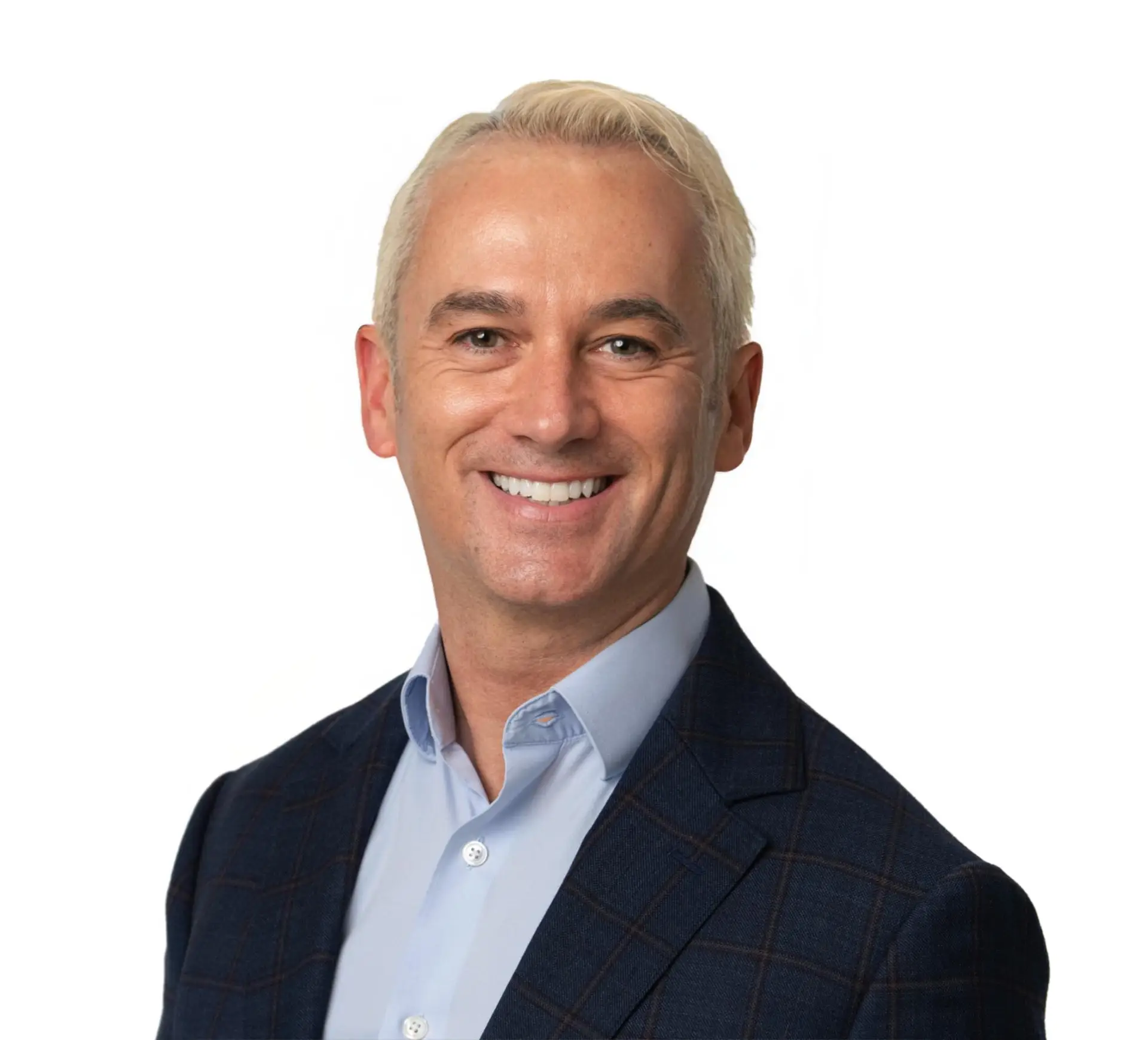
Your Trainer
Learn From a Co-Developer of the Model
Travis Atkinson began training directly with Jeffrey Young in the mid-1990s and worked alongside him for more than a decade at the Cognitive Therapy Center of New York, where he went on to co-develop Schema Therapy for Couples.
He is also a Certified EFT Therapist and Supervisor mentored by the late Sue Johnson, Founder of the New York Center for Emotionally Focused Therapy and an original NYCEFT Board Member, and a Certified Gottman Method Couples Therapist since 2006 with eight years of advanced Gottman training. He is an Honorary Lifetime Member of the International Society of Schema Therapy.
Schema Therapy for Couples is deeply experiential, and the work is transmitted person to person, not from a textbook. When you train here, you learn the precision of Schema Therapy paired with the emotional depth of EFT and the structure of the Gottman Method, from someone who helped build the model.
Program Details
Fall 2026 Cohort
Duration
33 hours over 11 weeks
Schedule
Sept 23 – Dec 9, 2026, 11am–2pm ET
Format
Live, interactive, online
Recordings
Available for at least 1 year
Certificate
Certificate of Completion supporting your ISST application
Cohort Size
Capped at 20 participants
Community
Global peer network, ongoing
Application
Full dates: September 23, 30 · October 7, 14, 21, 28 · November 4, 11, 18 · December 2, 9. All sessions run 11:00am–2:00pm Eastern Time.
Fall 2026 Couples Training
Eleven live sessions built around the decisions couples therapists face in the room
Learn to identify the cycle beneath the argument, give feedback without assigning blame, guide partners toward vulnerable emotion, and work with modes through Connection Dialogues, chairwork, and imagery rescripting.
See the cycle clearly
Schemas, modes, and the couple mode cycle
Build the shared roadmap
Assessment becomes a usable formulation
Guide connection
Connection Dialogues in the room
Work with modes
Chairwork and imagery rescripting
Integrate treatment
Sequencing across the course of therapy
Module One
See the Cycle Clearly
Before any intervention, you need a way to read the couple in front of you. One partner protests while the other withdraws, each experiences the other’s protection as rejection, and you can describe the fight without yet having a formulation that tells you what to do with it. These two sessions give that fight a structure you can work from.
Foundations of Schema Therapy for Couples
Sets out the model that organizes the rest of the program: emotional needs, early schemas, coping responses, modes, and the couple mode cycle. The frame lets you understand a recurring fight as something other than incompatibility or a communication deficit.
In session you learn to recognize how each partner’s triggers and coping modes feed into the other’s.
You leave able to describe a couple’s conflict in schema and mode terms rather than as a list of complaints.
Schemas, Modes, and the Couple Mode Cycle
Moves from recognizing schemas to mapping them as a system. Participants identify each partner’s core schemas, spot the coping modes that surface under relational stress, and trace how one partner’s protection activates the other’s.
In session you practice organizing triggers, modes, unmet needs, and responses into a Couple Mode Cycle Map that gives treatment a clear starting point.
You build a preliminary Couple Mode Cycle Map you can bring into the next session and refine.
Module Two
Turn Assessment Into a Shared Roadmap
Assessment in couples work asks you to hold two alliances at once, gather cognitive, behavioral, experiential, and relational information from both partners, and then turn all of it into one account the couple can recognize. Session 4 is where that information becomes a formulation the couple can actually use.
Assessment and Couple Formulation
Organizes the assessment across initial conjoint and individual meetings and integrates the Schema Therapy for Couples conceptualization form. You gather each partner’s history and schema profile while keeping the room balanced.
In session you practice collecting cognitive, behavioral, experiential, and relational information without tilting the alliance toward either partner.
You arrive at a working couple conceptualization ready to shape into feedback.
Feedback, Goal Setting, and the Treatment Roadmap
This is the hinge of the assessment phase. You synthesize what you have gathered into a shared account of the couple’s schemas, modes, unmet needs, and recurring cycle, then deliver it in a way that reduces blame instead of amplifying it. From there you translate the formulation into goals both partners can commit to and set the structure treatment will follow.
Concrete resources you develop and take with you:
- A one-page Couple Mode Cycle Map
- A feedback narrative for presenting the formulation without blame
- A collaborative goal-setting script
- A structured plan covering safety, communication, boundaries, and next steps
Module Three
Change What Happens Between Partners
Connection Dialogues are where the formulation becomes something the couple feels, not just something you explain to them. The clinical stakes are concrete: reaching the vulnerable need beneath a protesting partner’s anger, keeping a withdrawn partner present, and slowing the exchange before it turns into the same argument again. The second session takes on what happens when the clean version meets a real couple.
Connection Dialogues, Part 1
Introduces the structure of a Connection Dialogue and its purpose: helping partners move beneath their protective modes toward vulnerable emotion and the unmet need underneath it.
In session you prepare a dialogue, name the active modes as they appear, support vulnerable expression, and coach an empathic response from the other partner.
You can open a Connection Dialogue with a couple and keep it oriented toward the need rather than the complaint.
Connection Dialogues, Part 2
Builds the harder skill of tracking modes and emotional shifts while the couple’s cycle is live in the room, when a demonstration stops being tidy.
In session you practice slowing escalation, responding when a partner shuts down or turns defensive, holding your own regulation, and repairing a dialogue that has gone off track.
You gain a way to stay useful when the dialogue destabilizes instead of retreating to problem-solving.
Module Four
Give the Modes a Place in the Room
Chairwork gives each mode a physical place so partners can respond to the mode instead of to each other. Imagery rescripting then reaches the schema-linked experiences underneath. This module moves from clarifying modes through chairwork into the beginning of imagery work, with attention to preparation, pacing, and the limits of what a short training can make safe to use alone.
Chairwork for Couples, Part 1
Uses chairwork to externalize the modes a couple has started to recognize through Connection Dialogues. Participants work with the Angry Child, Vulnerable Child, Detached Protector, Punitive Parent, and Healthy Adult, giving each a distinct place and voice so partners can see the mode operating rather than blame the person carrying it.
In session you practice drawing out the need beneath a protective mode and helping each partner respond to that need instead of attacking or withdrawing.
You can set up chairwork that deepens and clarifies what Connection Dialogues began, turning a felt cycle into modes the couple can address directly.
Chairwork for Couples, Part 2
Extends chairwork to the modes that are harder to contain in a couple’s session, including enraged and overcompensatory responses, where escalation and rupture are more likely.
In session you practice working with escalation, strengthening each partner’s Healthy Adult, and repairing ruptures without abandoning the mode work.
You gain more range for staying with intense modes rather than backing away from them.
Chairwork Integration and Introduction to Imagery Rescripting
A two-part session. The first half consolidates chairwork with more intense or difficult-to-contain modes, including enraged and overcompensatory responses. The second half introduces imagery rescripting and how it is adapted for couples work, so participants begin the method rather than only anticipating it.
In session you consolidate chairwork with escalated modes, then begin imagery rescripting: preparing a partner, locating a target experience, and taking the first steps of the rescripting itself.
You finish having started imagery rescripting, not just heard it described, and can see how it follows from the chairwork.
Imagery Rescripting for Couples
Deeper practice with imagery rescripting: its structure, pacing, and clinical purpose, and how a schema-linked experience can be revisited while a clear therapeutic frame and emotional safety are maintained.
In session you practice preparing partners, identifying the target experience and unmet need, guiding the rescripting, and deciding the other partner’s appropriate role.
You can run a fuller imagery-rescripting sequence inside a couple formulation, aware of where more supervised practice is still needed.
Module Five
Integrate the Treatment
The last session is about clinical judgment across a whole course of therapy: when to reach for the formulation, a Connection Dialogue, chairwork, or imagery, and how to solidify change so it holds after the intensity of a session fades.
Integration and Clinical Application
You bring together the three experiential families, Connection Dialogues, chairwork, and imagery rescripting, against the couple formulation. The focus is sequencing and judgment: selecting the next intervention, responding when modes shift mid-treatment, repairing ruptures, and planning for how gains are consolidated and setbacks are handled once treatment ends. Cohort connection and celebration close the program briefly at the end.
You leave with:
- An integrated case roadmap across the treatment arc
- A method for sequencing experiential interventions
- An approach to mid-treatment mode shifts and ruptures
- A plan for solidifying change and reducing relapse
A training sequence built around clinical use
The program opens with formulation because experiential methods work best when you already know which mode is active, what need sits beneath it, and how each partner’s response feeds the cycle. Every stage prepares you for the next through live demonstration, guided practice, discussion, and feedback.
Tuition
Tuition and Investment
Tuition is set on a regional, cost-of-living basis. Every clinician receives the same live coursework, the same supervision, the same chairwork practice, and the same ISST couples certification pathway, regardless of tier. Installment plans and humanitarian rates are available.
Country tiers follow World Bank classifications. For tier details, a quote for your region, payment terms, and the refund policy, visit the Tuition page.
FAQ
Questions About the Couples Program
Do I need prior Schema Therapy experience?+
No. The Assessment module introduces schema and mode concepts from the ground up before applying them to couples work, so the program is accessible whether Schema Therapy is new to you or you’re building on individual-track training.
Will this replace EFT, the Gottman Method, or my current approach?+
No. Most clinicians add Schema Therapy to an existing orientation rather than replacing it. It’s the piece that reaches the entrenched character patterns those models can struggle to move on their own.
Can I use this with my caseload right away?+
Yes. Each three-hour session covers one focused topic that you take into your actual clinical work before returning the following week to discuss what happened.
How is certification completed?+
This program delivers all 33 hours of live coursework toward ISST’s couples certification requirement. You’ll receive a Certificate of Completion that supports your certification application directly with ISST.
What happens if I miss a session?+
Recordings of each live session are available for at least a year after training ends, so missing a week doesn’t mean missing the material.
Is consultation or supervision included?+
The coursework includes group discussion of your cases and instructor feedback each week, alongside clinicians training with you from around the globe.
Applications Are Open for the Fall 2026 Couples Cohort
Train with a co-developer of Schema Therapy for Couples who also brings decades of advanced expertise in EFT and the Gottman Method. It’s a combination of clinical lineage and cross-model fluency you won’t find in any other program.
33 hours, live and weekly, September 23 through December 9. Cohorts are capped at 20 participants.
Apply for the Next Cohort