
About the Schema Therapy Training Center
Where Serious Schema Therapy Training Lives.
The Schema Therapy Training Center of New York is an ISST-approved institute dedicated to teaching the model with the depth it was designed for. We train clinicians live, in small international cohorts, through the sustained practice and mentorship that make Schema Therapy something you can truly do, not just study.
Why STTC Exists
Schema Therapy Is Learned by Living It.
Schema Therapy is an experiential model. Its power comes alive not in a slide deck but in the moment a clinician recognizes a mode in the room, stays present through it, and helps a client meet a need that has gone unmet for years. That skill is built through sustained practice, close mentorship, and thoughtful integration with the clinical work you already do.
The Center exists to give that kind of learning a home: a place where clinicians grow into the model over time, guided by faculty who have spent their careers inside it, alongside a community of peers doing the same.
We did not build this to hand people a technique. We built it so clinicians could understand the model deeply enough to make it their own.
Travis Atkinson, Founder
Who We Train
Built for Clinicians Who Want to Go Deeper.
Our cohorts bring together licensed mental health professionals, psychologists, counselors, social workers, and psychotherapists who want to reach the clients other approaches struggle to help. You will feel at home here if you value depth over shortcuts and want a model that makes sense of the whole person.
No prior Schema Therapy required
You do not need previous Schema Therapy experience to begin. Our programs take committed clinicians from foundations through to advanced, integrated practice.
Every therapeutic background welcome
Schema Therapy is integrative by nature. Whatever tradition shaped you, you will find it deepened here rather than displaced.
What Makes STTC Different
Depth You Can Practice, Not Just Study.
What sets the training apart is not one feature but the way everything works together to build clinicians who can genuinely do the model with confidence.
Small cohorts
Every cohort is capped at 20, so you are known by name and your questions are actually answered.
Experiential teaching
You practice the model live through role-play, imagery, and mode work, not just lectures about it.
Grounded in educational science
The curriculum reflects how clinicians genuinely build skill, with spaced practice and real feedback.
An international community
Train alongside thoughtful clinicians from around the world and build relationships that outlast the program.
Tuition that travels
Tiered tuition by region keeps rigorous training within reach for therapists everywhere.
Depth of discussion
Small groups make room for the nuanced, case-based conversation that real clinical growth requires.
Direct access to senior faculty
You learn directly from highly experienced trainers, not from assistants working from a manual.
The Philosophy Behind the Training
Four Traditions, One Integrated Model.
Our teaching is anchored in Schema Therapy and enriched by the traditions that share its commitment to emotion, attachment, and lasting change. We do not teach them as four separate methods. We teach how they inform one another, which is why our graduates can place Schema Therapy alongside the models they already trust.
Woven into one approach
Schema Therapy
The core of everything we teach: a mode-based, needs-driven model for lasting change in the hardest cases.
Schema Therapy for Couples
The relational adaptation that carries the model into the space between two people.
Emotionally Focused Therapy
An attachment lens that deepens how we understand and repair emotional bonds.
The Gottman Method
A research-based understanding of what makes relationships endure.
Our Lineage
A Line of Knowledge, Passed Hand to Hand.
Schema Therapy was not handed down as a manual. It grew through people, from its origins with Jeffrey Young to a worldwide community of clinicians. The Center is one link in that living chain.
1990s
A Model Takes Shape
Jeffrey Young develops Schema Therapy in New York, extending cognitive therapy into a deeper, needs-based approach for the clients other methods could not reach.
Late 1990s
The Model Is Taught
As Schema Therapy matures, the first structured training emerges at the Cognitive Therapy Center of New York, and the couples adaptation of the model is developed there.
2008
A Field Becomes a Society
The International Society of Schema Therapy is founded, giving the model a global standard and a growing community of trainers and clinicians.
2010s
Training Goes International
Schema Therapy spreads across continents, and the work of teaching it faithfully, with the reasoning intact, becomes a discipline of its own.
Today
A Home for the Next Generation
The Schema Therapy Training Center of New York carries that lineage forward, training clinicians worldwide in small live cohorts so the model continues to be passed on by the people who helped shape it.
Who Teaches Here
Faculty Who Helped Shape the Field.
Our faculty have led the International Society of Schema Therapy itself, so the standard you train to is the standard the field is measured against.
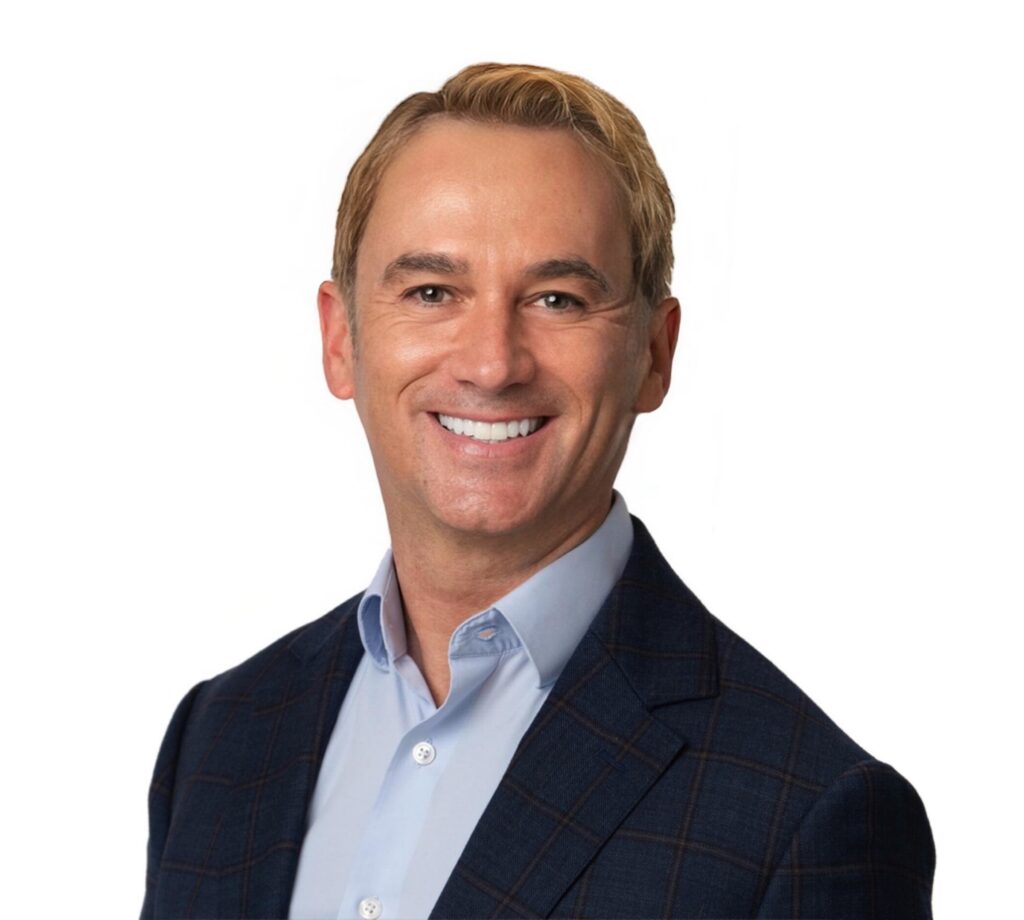
Founder & Lead Trainer
Travis Atkinson
Travis trained directly with Jeffrey Young, helped build the first international training program in Schema Therapy, and co-developed Schema Therapy for Couples. An Honorary Lifetime Member and original founder of the ISST, he brings the reasoning behind the model, not only its techniques, into every cohort.
He is also a Certified EFT Therapist and Supervisor and a Certified Gottman Method Couples Therapist, which is why the training here shows you how Schema Therapy fits alongside the models you already trust.
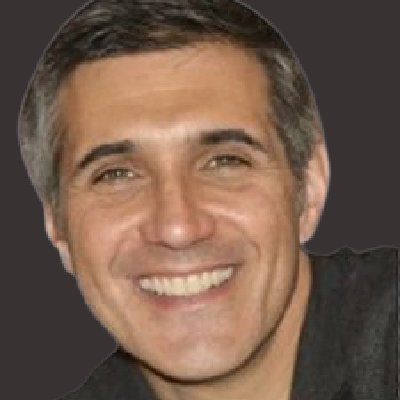
Jeff Conway
Former ISST President
A past president of the ISST and a trainer at the Center.
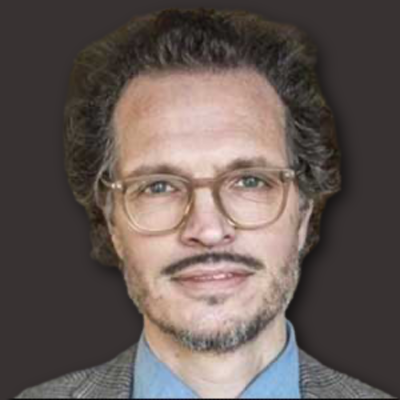
Poul Perris
First ISST President
The first president of the ISST and a trainer at the Center.
Our Commitment to the Future of Schema Therapy
More Than a Program. A Responsibility.
Training clinicians is how we honor the model and the people who built it. When you train here, you join something larger than a course: a community working to carry Schema Therapy forward with care.
1
Supporting the next generation
We invest in emerging clinicians through mentorship and small-cohort teaching, so skilled Schema Therapists continue to enter the field.
2
Expanding access worldwide
Through live online cohorts and tiered global tuition, we bring rigorous training to therapists wherever they practice.
3
Holding a high standard
We keep cohorts small and faculty senior so that depth and quality are never traded for scale.
4
Advancing the field
We carry Jeffrey Young’s legacy forward, not by preserving it under glass, but by teaching, refining, and extending the model for the clinicians who come next.
Train Where the Field Was Built
This Is Where Serious Schema Therapy Training Lives.
Applications are open. Spring 2027 Individual Certification and the Fall 2027 Individual and Couples Certification cohorts are now accepting applications. Both pathways are taught live in small international cohorts, by faculty who helped shape the model.