IFS vs Schema Therapy: Where Parts Work Stops and Reparenting Starts
From IFS Curiosity to Schema Therapy Interest
When Parts Work Hits a Wall

You know the moment.
The client sits across from you. You can sense the exile buried beneath layers of protective parts in their internal system. Perhaps you have done this internal family systems therapy work before. You trust the process. And you invite them to notice what part is present, to get curious, to ask that protector what it fears.
Nothing.
Or worse: flooding. Dissociation. Rage that fills the room so fast you lose your footing. The Self you were trained to help them access seems to exist only in theory. Three sessions become thirty. You start dreading that appointment slot.
This is the wall many IFS therapists eventually hit. It shows up most often with clients presenting with personality disorders like borderline personality disorder, complex PTSD with early deprivation, or extensive childhood neglect. Not because internal family systems therapy fails these clients. IFS therapy absolutely works with inaccessible Self-energy, and this understanding plays a central role in IFS treatment of dissociation and complex trauma. But some clients arrive with protective systems so entrenched that even skilled unburdening work cannot reach what lies beneath. The protectors are not guarding a burdened Self that needs liberation. They are guarding developmental absence, the healthy internal resource was never given the chance to form.
This is where schema therapy offers something IFS does not emphasize: active building.

Key Highlights: IFS Versus Schema Therapy
- Internal Family Systems (IFS) therapy and schema therapy both recognize inner multiplicity, the understanding that people develop protective and wounded parts shaping emotional states and coping styles
- Schema therapy offers a substantially larger evidence base for personality disorders, with 52% recovery rates for BPD compared to 28% for treatment-as-usual (Giesen-Bloo et al., 2006)
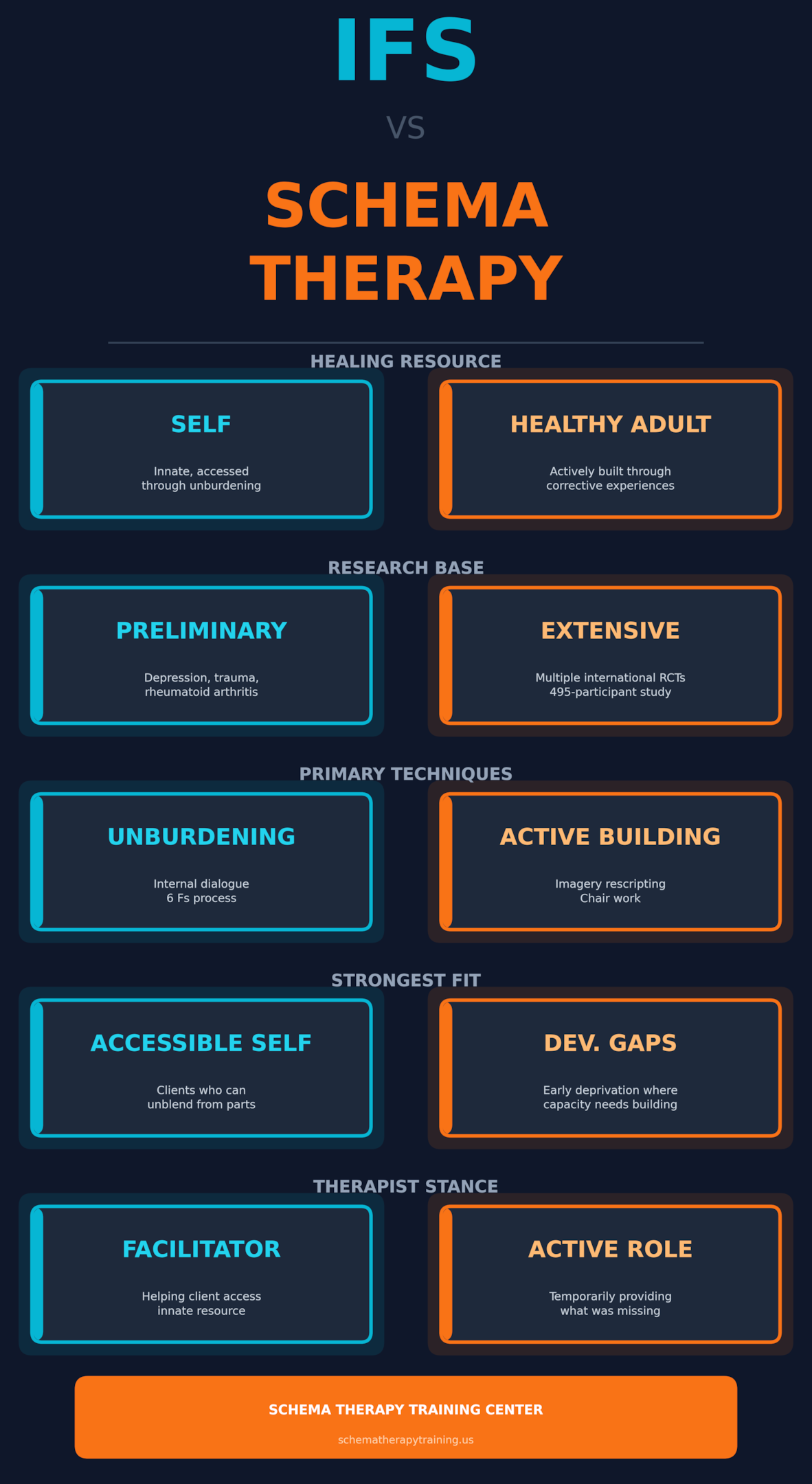
- The IFS model focuses on accessing an innate Self characterized by self-compassion and insight, while schema therapy actively builds the Healthy Adult mode when developmental absence prevents Self-energy from emerging
- Both therapy models use experiential techniques including chair work and guided imagery to facilitate internal dialogue between parts and modes
- Therapists trained in internal family systems therapy can integrate schema therapy without abandoning their compassionate, parts-based orientation
- Schema Therapy Training Center of New York offers ISST-approved certification programs designed for clinicians who value deep, integrative work with maladaptive schemas and emotional healing
- Richard Schwartz developed IFS as a non-pathologizing approach recognizing that the mind is naturally multiple, with protective and wounded parts serving important functions
Jeffrey Young developed schema therapy in the 1990s specifically for clients who did not respond to standard cognitive therapy and cognitive behavioral approaches. Many had personality disorders and severe early neglect. Where the IFS model focuses on unburdening parts so Self can lead, schema therapy adds techniques for actively constructing healthy adult capacity when that capacity is underdeveloped. Imagery rescripting to rework traumatic memories. Chair work to restructure internal dialogue. Corrective emotional experiences within the therapeutic relationship. The emphasis differs, but the foundation aligns. Both approaches honor inner multiplicity. Additionally, both center self-compassion. Both recognize that human beings carry wounded parts that need healing. The vulnerable child mode in schema therapy maps onto IFS exiles. The detached protector mode parallels certain manager parts. These therapy models speak the same language, schema therapy simply adds vocabulary for building what was never formed.
If you practice IFS therapy, your clinical instincts are sound. The compassion you bring to wounded parts, the curiosity you hold for protectors, the belief that healing happens through relationship with the internal system: all of this transfers directly to schema therapy work. You will not have to unlearn what you love about internal family systems.
But you may be ready to add what has been missing.
Schema Therapy Training Center of New York offers ISST-approved certification programs designed specifically for mental health professionals who already value deep, compassionate parts work. ISST is the International Society of Schema Therapy, the global credentialing body founded by Jeffrey Young. ISST approval means the training meets rigorous international standards for clinical competency and supervised practice. This matters because not all schema therapy training leads to recognized certification.

Travis Atkinson founded STTC after beginning his training directly with Jeffrey Young at the Cognitive Therapy Center of New York in 1998. In 2020, he received ISST Honorary Lifetime Membership, a distinction awarded to very few practitioners worldwide for exceptional contributions to the field.
Travis trained directly with Sue Johnson in Emotionally Focused Therapy and holds Gottman Method certification. This background shapes STTC’s integrative approach to couples work and attachment repair, areas where IFS practitioners often seek additional tools. Participants learn schema modes within a framework informed by EFT attachment interventions and Gottman assessment principles, creating treatment approaches that address both individual parts work and relational patterns.
STTC’s training model reflects how therapists actually learn complex material. Instead of weekend intensives that pack content into marathon sessions, the program uses spaced learning: shorter modules distributed over months, allowing time for integration between sessions. Research on adult learning and memory consolidation shows this approach significantly improves long-term retention. The structure also prioritizes connection before content. Participants engage in community-building and reflective practices before tackling schema modes or imagery rescripting. This mirrors the therapeutic stance you already bring to IFS therapy work, learning through relationship, safety before depth. The cohort model creates peer consultation networks that often continue long after certification.
STTC’s certification pathway includes didactic training, supervised case consultation, and experiential practice in imagery rescripting and chair work. Programs are offered online with flexible scheduling designed for working clinicians.
This article will help you evaluate your next step. You will learn how IFS concepts translate to schema modes, which client presentations favor each approach, and what STTC’s ISST-approved certification includes. Whether you completed IFS training through the IFS Institute or learned parts work through other routes, the goal is to help you decide whether schema therapy certification represents the right evolution for your practice.

Should an IFS Therapist Learn Schema Therapy?
Yes. If you value parts work, self-compassion, and evidence-based practice, schema therapy represents an evolution of your clinical identity, not a replacement for it.
Travis Atkinson has trained hundreds of therapists over the years, and those who integrate schema therapy report dramatically different outcomes with their most challenging cases. The research supports this: schema therapy shows 52% recovery rates for BPD clients compared to 28% for treatment-as-usual, with dropout rates consistently under 25% (Giesen-Bloo et al., 2006). These numbers matter when you are treating clients who have defeated multiple previous therapists.
Here is what IFS-trained clinicians need to understand.
Both approaches share a parts-based, compassionate framework. Schema therapy’s modes and IFS’s parts are different languages describing similar inner terrain. Your existing skills transfer directly. IFS teaches that the mind is naturally multiple, and this multiplicity is healthy because inner parts can have valuable inherent qualities. Schema therapy shares this understanding while adding cognitive and behavioral techniques to modify maladaptive schemas.
Schema therapy has a substantially larger empirical base for personality disorders, complex PTSD, eating disorders, and couples work. When you need to justify your treatment approach to psychiatrists, insurance panels, or skeptical referral sources, this evidence base matters.
IFS therapy shines with trauma in clients who have adequate ego strength, depression and anxiety without personality disorder features, and clients who resonate with spiritual or contemplative language from transpersonal psychology traditions. In contrast, schema therapy, developed by Jeffrey Young, has documented strengths in addressing complex personality disorders and entrenched patterns. These are genuine strengths worth preserving.
Integration is possible and clinically powerful. Many of the most effective clinicians combine both therapy models strategically, choosing which lens fits each client’s needs. IFS offers a non-pathologizing framework where therapists help clients explore their activated parts or modes with curiosity rather than criticism, enhancing self-awareness and insight.
For high-functioning, achievement-oriented couples like those seen at Loving at Your Best, schema therapy provides the structure and evidence base that supports lasting change in the most treatment-resistant presentations.
The Critical Distinction: Self vs Healthy Adult Mode
Both internal family systems and schema therapy recognize that we contain multitudes. Additionally, both therapy models see the human psyche as composed of different parts or modes with distinct emotional states and protective functions. Both center a healing resource that guides treatment. But how they conceptualize and develop that healing resource differs in emphasis, and this difference shapes your clinical decisions.
The IFS Model: Core Principles and Self-Leadership
Richard Schwartz developed internal family systems IFS around the understanding that our inner world contains parts organized into three broad categories. Exiles carry wounds, vulnerability, and traumatic memories that the system tries to protect. Managers work proactively to prevent pain by controlling, planning, and keeping exiles locked away. Firefighters react when exiles break through, using impulsive behaviors to extinguish emotional intensity.
At the center sits the Self, characterized by the 8 Cs: calm, curiosity, clarity, compassion, confidence, creativity, courage, and connectedness. This Self is understood as innate, present even when obscured by protective parts. IFS therapists help clients unblend from protective parts and access this already-present resource (Schwartz & Sweezy, 2019, Guilford Press). The IFS model is designed to teach clients how to be their own therapist, reducing long-term dependency and fostering personal growth.
The IFS model does not claim accessing Self is always easy. IFS practitioners working with complex trauma and dissociation recognize that Self-energy can be deeply burdened or difficult to reach. The work may take years. But the theoretical premise remains: the Self exists intact beneath protective layers. Your role as therapist is to help parts step back and reveal what was always there. IFS helps people access their undamaged, compassionate Self, which knows how to heal and understand their parts. This understanding forms one of the core principles of internal family systems.
Richard Schwartz drew on insights from family systems therapy and his clinical observations to develop this framework. His work has influenced countless clinicians seeking techniques that honor the complexity of human emotions and the protective intelligence of the psyche. The IFS Institute continues to expand training opportunities for therapists interested in identifying and working with parts.
Where Schema Therapy Adds Something Different
Schema therapy does not disagree that human beings have innate capacity for healing. But the model places greater emphasis on what happens when severe early deprivation prevents that capacity from developing. When people develop without adequate caregiving, their coping styles become deeply rooted patterns requiring active intervention.
Consider a client raised by parents who were emotionally absent, critical, or abusive from infancy. The internal system never had the relational scaffolding to build healthy self-soothing, emotional regulation, or stable identity. In IFS terms, the protectors are not guarding a burdened Self, they are guarding developmental absence. The internal capacity never formed because early relationships provided no model for self-regulation or stable identity, which is a core focus addressed in schema therapy.
This is where schema therapy’s concept of Healthy Adult mode becomes clinically essential. Rather than assuming the healing resource exists and needs uncovering, schema therapy provides experiential techniques for actively building that resource: imagery rescripting to create new internal experiences, chair work to strengthen the Healthy Adult voice, and corrective emotional experiences where the therapist temporarily provides what the client’s early environment did not.
Schema therapy focuses on modifying maladaptive schemas and building a Healthy Adult mode that can manage the internal system effectively. The therapy empowers adaptive modes, the Healthy Adult and Happy Child, to address schemas that developed from unmet needs in childhood.

The Clinical Decision Point
An IFS therapist working with a client presenting with borderline personality disorder might spend months helping parts unblend, only to find that no stable Self-energy emerges. The unburdening process stalls. The client remains flooded or dissociated despite careful parts work.
This is not a failure of IFS. This is a signal that the client may need active Healthy Adult building before unburdening can succeed.
A clinician trained at STTC would recognize this signal and shift from unburdening to Healthy Adult building. That might mean using imagery rescripting to create internal nurturing experiences the client never received. Or chair work to strengthen the adult voice that can eventually manage the protective system. The goal is not to abandon parts work but to build the internal resource that makes deeper parts work possible.
At STTC, Travis Atkinson teaches clinicians to recognize this clinical decision point. When is unburdening sufficient? When does the client need the therapist to step into a more active corrective role? The training helps IFS practitioners assess whether Self-energy is accessible or whether Healthy Adult mode building must come first. This integrative approach allows you to meet clients where they are rather than forcing one theoretical framework onto every presentation.

Schemas: The Patterns Beneath the Parts
If you work with IFS, you already understand that parts carry burdens. Schema therapy adds a layer: it names the specific patterns those burdens create and provides a framework for identifying the schemas that drive client suffering.
Early maladaptive schemas are deeply rooted beliefs formed when childhood needs went unmet. They operate like templates, shaping how clients interpret relationships, self-worth, and danger long after the original deprivation ended. Jeffrey Young identified 18 schemas organized into five domains. ISST-approved certification covers all 18, but in clinical practice, you will find yourself working with a smaller set repeatedly.
Three Schemas IFS Therapists See Constantly
Abandonment. The client who panics when you take a vacation. The one who tests the relationship repeatedly, expecting you to leave. In IFS terms, an exile carries the wound of early loss. In schema terms, the Abandonment schema activates whenever attachment feels threatened. Same clinical reality, different lens. Identifying this pattern allows therapists to focus their techniques on the specific emotions driving the behavior.
Defectiveness. The client who cannot receive a compliment. The one who believes, at their core, that if you really knew them, you would reject them. IFS sees this as an exile burdened with shame. Schema therapy names it directly: the Defectiveness schema. This client learned early that something about them was fundamentally wrong. Their emotions remain frozen in that early understanding, and their feelings of worthlessness persist despite contradictory evidence.
Emotional Deprivation. The client who cannot ask for what they need. The one who assumes no one will ever truly understand them. They may present as self-sufficient or withdrawn. Underneath lies the belief that emotional connection is not available to them. IFS therapists recognize this as an exile frozen in loneliness. Schema therapy traces it to caregivers who were physically present but emotionally absent, creating schemas around deprivation and unmet needs.
These three schemas appear in the majority of clients with complex trauma, attachment wounds, or personality disorder features. This is the population IFS therapists often work with. Once you learn to identify these patterns, you will see them everywhere. Working with inner multiplicity can help resolve internal conflicts and facilitate reintegration of different parts of the self.

Modes: What Happens When Schemas Activate
Schemas are the underlying patterns. Modes are what clients actually show you in session. Schema therapy distinguishes between different modes, which refer to the predominant emotional state, schemas, and coping reactions active for an individual at a particular time.
When a schema gets triggered, the client shifts into a mode. This happens fast. One moment you have a reflective adult in front of you. The next moment you have a terrified child, a detached wall, or a furious critic.
Schema therapy organizes modes into four categories. Child modes carry the raw emotions from early wounds. The vulnerable child mode holds fear, sadness, and loneliness. The Angry Child holds rage that was never safe to express. The Happy Child holds spontaneity and play, the capacity for joy that healthy development nurtures. IFS therapists will recognize these immediately. Child modes map closely onto exiles.
Coping modes are the protective responses that emerge from coping styles developed in childhood. The Detached Protector shuts down emotions entirely. The overcompensator mode dominates and controls. The Compliant Surrenderer gives in to avoid conflict. These parallel IFS managers and firefighters, different vocabulary, same protective function.
You ask the client how they felt when their partner criticized them. They shift posture, their voice flattens, and they say: “I don’t know. I don’t really feel much about it.” The Detached Protector just took over. You are no longer speaking to the vulnerable child who felt crushed. You are speaking to the part that numbed out to survive. Once you recognize this shift, you can name it and work with it directly using appropriate techniques.
Dysfunctional Parent modes represent internalized critical voices. The Punitive Parent attacks with shame and contempt. The Demanding Parent pushes relentlessly for perfection. IFS therapists know this voice as the inner critic. Schema therapy gives you specific techniques for challenging and modifying these patterns.
The Healthy Adult mode brings wisdom, self-compassion, and effective action. This is where schema therapy and IFS converge most directly. Healthy Adult functions like Self-energy. The difference lies in how you develop it when it is weak or absent. Schema therapy often aims to change, reduce, or manage maladaptive modes while strengthening the Healthy Adult.
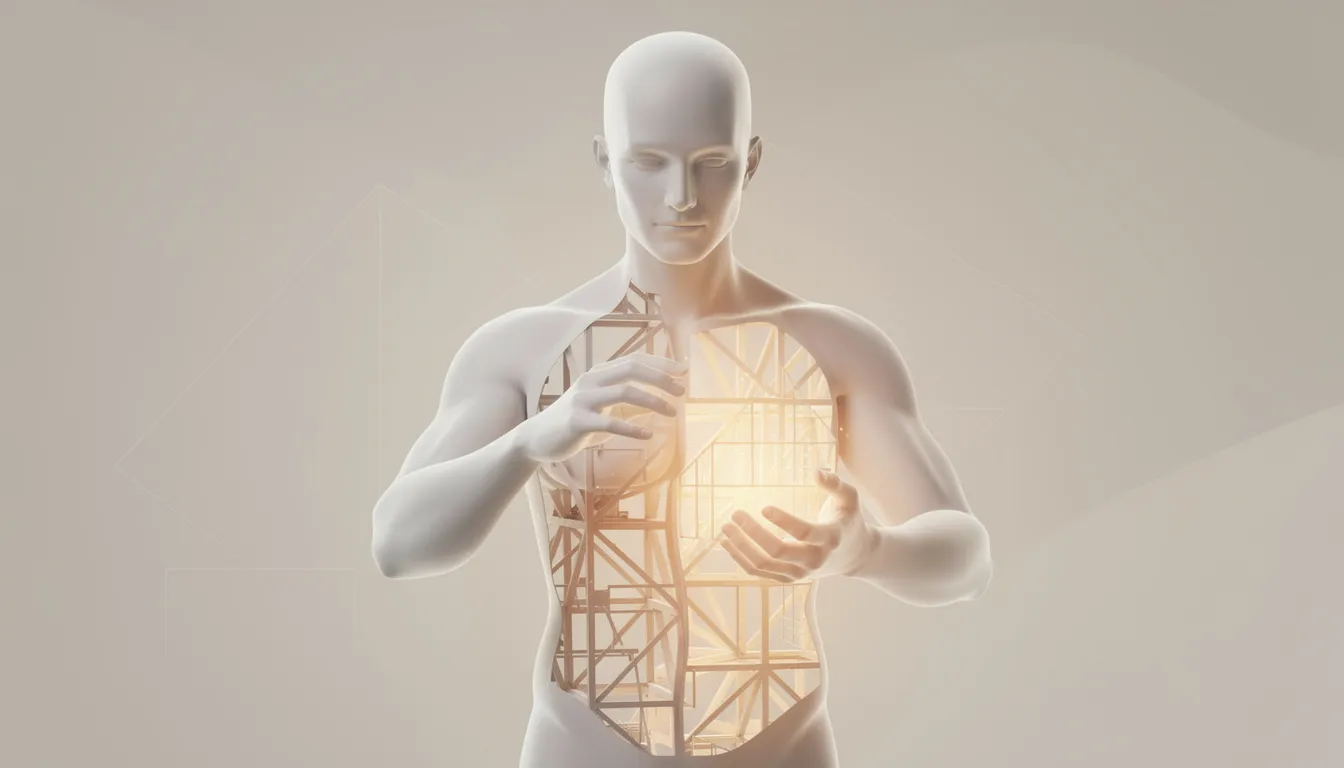
How STTC Teaches Schema Recognition
At STTC, Travis Atkinson teaches schema identification through an IFS-informed lens. You learn to notice when a client’s reaction seems disproportionate to the present situation. That disproportion signals schema activation, something from the past is running the show.
The training helps you map what you already see clinically onto the schema framework. You learn to ask: What unmet needs created this pattern? What mode just took over? Is the Healthy Adult accessible, or does it need building first?
This is not about abandoning your parts work orientation. It is about adding precision. When you can name the schema, you can predict which modes will emerge. When you can predict the modes, you can prepare interventions before the client floods or dissociates. This self-awareness enhances therapeutic effectiveness for both therapist and client.
STTC’s training approach integrates schema assessment with the relational attunement IFS therapists already bring. In training, you practice schema identification through live demonstrations, experiential exercises, and supervised dyad work. These are the same methods you experienced in IFS training. You will not sit with a checklist. You will learn to feel when schemas activate, just as you learned to sense when parts are blended.
Why This Distinction Matters Clinically
Dimension | IFS Self | Schema Therapy Healthy Adult |
|---|---|---|
Origin | Innate, present from birth | Develops through good-enough caregiving |
In severe trauma | Still present, needs accessing | May be underdeveloped or absent |
Therapist role | Facilitate access, remove obstacles | Actively build through limited reparenting |
Therapeutic stance | Collaborative, client-led | More active, provides what was missing |
Clinicians who train in both approaches come to understand why some IFS interventions fail with severely traumatized clients. When a therapist invites a client to notice what part is present and to ask that part to step back, the intervention assumes the Self is there to step forward. For clients whose childhoods offered no model of calm, attuned caregiving, no such Self may have fully developed.
Schema therapy provides permission to do what these clients actually need: to offer, within appropriate therapeutic boundaries, the caring, guidance, and limit-setting their parents never provided. This is not about control. It is about corrective emotional experience that enables internalization of a capacity the person never had the chance to build.
Consider two clients presenting with severe dissociation and self-harm. One had a reasonably stable early childhood before a single traumatic event in adolescence. Another experienced pervasive neglect and abuse from infancy onward. The first client likely has an intact Self that dissociative parts are protecting. IFS-style unblending may work beautifully. The second client may genuinely lack the internal resource you are trying to access. Schema therapy’s focus on building the healthy adult from the ground up becomes essential for their personal growth and recovery.

Evidence Base: What the Research Shows for IFS Therapy and Schema Therapy
Many IFS clinicians value research and integrity. You want to offer your clients the best available care, and that means understanding what the evidence actually shows. This section presents the data transparently, honoring both approaches while acknowledging current reality.
Schema Therapy Evidence Base
The empirical foundation for schema therapy is substantial and growing.
At least 8 randomized controlled trials involving approximately 587 participants demonstrate moderate to large effect sizes with benefits sustained at 3 to 5 year follow-up (Taylor et al., 2017; Masley et al., 2012). The landmark international multicenter RCT enrolled 495 participants across 5 countries, showing an effect size of approximately 2.45 for borderline personality disorder (Giesen-Bloo et al., 2006). Recovery rates for BPD reached approximately 52% for schema therapy compared to 28% for treatment-as-usual (Giesen-Bloo et al., 2006). Dropout rates typically range from 10.4% to 23.5%, notably lower than DBT’s 22.9% in comparable samples (Fassbinder et al., 2016). Economic analyses show 78% to 96% probability that schema therapy is the most cost-effective treatment for personality disorders (van Asselt et al., 2008). Growing evidence supports effectiveness for NPD (Behary & Dieckmann, 2011), eating disorders (Pugh, 2015), complex PTSD (Cockram et al., 2010), chronic depression (Malogiannis et al., 2014), and couples work (Atkinson, 2012; Simeone-DiFrancesco et al., 2015).
Schema therapy is well-established within academia and supported by substantially more empirical evidence than IFS. The therapy has strong, documented effectiveness for borderline personality disorder and chronic, entrenched issues, precisely the presentations that challenge IFS practitioners most.
IFS Evidence Base
The evidence base for IFS therapy, while promising, remains more limited.
SAMHSA’s National Registry of Evidence-based Programs and Practices recognized IFS as an evidence-supported model in 2015 (SAMHSA NREPP, 2015), though NREPP has since closed. A small pilot study with approximately 28 participants showed 92% post traumatic stress disorder remission (Hodgdon et al., 2022), but the sample size limits generalizability and lacks long-term follow-up. IFS has been shown to benefit patients with depression and PTSD, improving self-compassion (Haddock et al., 2014). Depression outcomes appear roughly comparable to cognitive behavioral therapy in one replicated clinical condition. Current gaps include limited randomized trials, small sample sizes, absence of long-term data, no cost-effectiveness studies, and minimal evidence for personality disorders, couples, and eating disorders.
Evidence Dimension | Schema Therapy | IFS |
|---|---|---|
Number of RCTs | 8+ | Limited |
Total sample size | 587+ participants | Small samples |
Main conditions studied | BPD, NPD, eating disorders, complex PTSD, depression, couples | Schema therapy training for PTSD, depression |
Long-term follow-up | 3-5 years demonstrated | Not established |
Cost-effectiveness | 78-96% probability most cost-effective | Not studied |
Evidence for couples | Growing | Minimal |
Many clinicians trained in both approaches recognize that IFS does beautiful trauma work. The clinical reports from IFS practitioners are compelling, and the IFS model’s compassionate stance resonates with how deep therapeutic work should feel. But when treating BPD, when working with NPD traits, when seeing a couple on the verge of divorce with severe personality pathology on both sides, the evidence base matters. Schema therapy provides that evidence.

What This Evidence Gap Means for Your Practice
The difference in evidence base has practical implications affecting your day-to-day life as a clinician.
Insurance authorization challenges emerge when treating personality disorders with IFS. Many insurers and managed care organizations specifically ask about evidence-based treatment selection. Schema therapy’s RCT support provides clear justification.
Referral source confidence matters. Psychiatrists, primary care physicians, and employee assistance programs value quantitative outcome data. When you can cite specific recovery rates and effect sizes, your referrals increase and your professional relationships strengthen.
Ethical considerations arise when stronger evidence exists for a client’s specific presentation. If a client has BPD and you know schema therapy demonstrates 52% versus 28% recovery rates, do you have an obligation to offer or refer for the better-supported treatment?
Practice sustainability connects to credibility. Mental health professionals who can demonstrate evidence-based expertise attract more referrals, justify higher fees, and build more stable practices. The evidence base for schema therapy supports your professional identity and long-term viability.
Modes vs Parts: How Each Therapy Model Maps Inner Multiplicity
The good news for IFS-trained therapists is that both therapy models share a “many minds” view of human psychology. You already understand that we contain multitudes. Learning schema modes will feel like learning a new dialect, not a foreign language. Inner multiplicity refers to clusters of beliefs, emotions, and motivations characterized by a coherent voice or perspective.
IFS Parts in Practice
The IFS model recognizes that parts serve protective functions, even when their behavior seems destructive. Consider a high-achieving NYC executive whose Manager part drives 80-hour work weeks, perfectionism, and constant self-criticism. Beneath that Manager lies an Exile holding childhood humiliation, the memory of a father who called him worthless whenever he brought home a B grade.
When threatened, a Firefighter might emerge through binge drinking or affairs, desperate to numb the Exile’s pain when the Manager’s defenses crack. All parts, in the IFS language, have positive intent. They are trying to help, even when their methods create suffering.
The goal of IFS is internal harmony under Self-leadership. Parts learn to trust that the Self can handle what they have been protecting against. Burdens release. The internal system becomes collaborative rather than conflicted. Therapists trained in IFS help clients recognize and integrate their internal parts, leading to harmonious relationship patterns within the self and in their outer world.
Schema Modes in Practice
Schema therapy’s mode model maps similar territory with different emphasis. The same executive might present in several recognizable modes.
The vulnerable child mode emerges when core schemas activate, revealing the terror and shame of that little boy whose father never approved. This maps closely to IFS Exiles. In schema therapy, the vulnerable child mode is seen as the wounded core of a person and is particularly important for healing. Accessing the emotions held in this mode requires patience and attunement.
The detached protector mode appears as emotional shutdown, intellectualization, workaholism. The client becomes unreachable, protected behind walls of productivity and emotional numbness. This functions like certain IFS Manager parts.
The overcompensator mode might manifest as grandiosity, entitlement, or aggressive dominance. The client overcorrects for underlying vulnerability by appearing invulnerable or superior.
The demanding parent mode echoes the internalized father, driving perfectionism through harsh internal dialogue. This is the inner critic operating at full volume. The emotions generated by this mode create tremendous suffering.
The punitive parent mode goes further, attacking the self as worthless, deserving of punishment. This mode perpetuates the original abuse internally.
Quick Translation Guide: IFS Parts to Schema Modes
Use this when conceptualizing existing IFS clients through a schema lens. Both IFS and schema therapy emphasize the importance of working with multiple parts or modes within an individual.
IFS Part | Schema Mode Equivalent |
|---|---|
Exile | Vulnerable Child Mode |
Critical Manager | Punitive Parent Mode |
Perfectionistic Manager | Demanding Parent Mode + Unrelenting Standards schema |
Numbing Firefighter | Detached Protector Mode |
Acting-out Firefighter | Overcompensator Mode or Impulsive Child |
Self | Healthy Adult Mode |
The conceptual nuances matter clinically. Modes emphasize patterns in the moment with clear behavioral implications. When you name that a client has shifted into detached protector, you and the client both recognize what is happening in real time and can respond strategically.
Schemas explain the enduring themes underneath. The Defectiveness/Shame schema, for example, might drive vulnerable child activation, punitive parent attacks, and detached protector withdrawal all within a single session. Understanding the schema helps you see the thread connecting apparently different presentations and provides insight into treatment planning.
Parts and modes can be mapped to each other, but they are not identical. Schema modes integrate attachment theory, cognitive therapy, and experiential techniques into an integrative approach that gives you multiple intervention points for each emotional state.

Experiential Techniques: How IFS and Schema Therapy Actually Work
Many IFS therapists are drawn to technique and presence, not just theory. You want to know what sessions actually look and feel like. This section focuses on the lived experience of each approach.
IFS Techniques and the 6 Fs Process
The IFS model uses several signature interventions. IFS focuses on fostering internal dialogue and unburdening through a structured path called the 6 Fs Process: Finding, Focusing, Fleshing out, Feeling toward, Befriending, and addressing Fear.
Parts mapping and internal constellation work help clients develop self-awareness about their inner world. You might ask a client to notice where different parts are located in or around their body, creating a felt sense of the internal system.
Unblending involves helping clients recognize when they are merged with a part and gently differentiating. “I notice you’re feeling a lot of anger right now. Can you ask that angry part if it would be willing to separate just a little, so you can get to know it better?”
Direct access means speaking directly to parts, asking permission to interact, building trust. The therapist might say, “Would it be okay to ask this protective part what it fears would happen if it relaxed?”
Unburdening procedures use specific guided imagery and rituals to release the beliefs and emotions that parts have been carrying. A part might release its burden to the wind, water, fire, or earth. These experiential techniques give clients a felt sense of transformation.

Schema Therapy Techniques
Schema therapy employs several experiential techniques that feel different from IFS but share the goal of healing wounded inner states. Both IFS and schema therapy utilize techniques such as chair work to facilitate communication between different parts or modes.
Limited reparenting plays a central role in schema therapy. The therapist offers nurturance, protection, and guidance within clear professional boundaries, especially to the vulnerable child. This is not about becoming the client’s actual parent. It is about providing corrective emotional experience that meets unmet needs enough for internalization to occur. Many IFS-trained therapists initially worry that limited reparenting will feel controlling or boundary-violating. In practice, clinicians who integrate both approaches report it is among the most compassionate work available. The emotions that emerge during limited reparenting are often deeply moving for both therapist and client.
Imagery rescripting involves revisiting specific childhood scenes and changing the outcome to meet the child’s needs. The client returns to a traumatic memory, but this time the adult client and/or therapist enters the scene to protect, comfort, or rescue the child. This technique directly targets traumatic memories that maintain maladaptive schemas. Guided imagery work requires the therapist to attune carefully to the client’s emotional state throughout the process.
Chair work creates dialogues between modes. The client might sit in one chair as the vulnerable child, then move to another chair to speak as the punitive parent, with the healthy adult eventually stepping in. This makes internal dialogue external and workable, giving clients direct insight into their patterns.
Empathic confrontation balances validation with challenge. The therapist might say, “I completely understand why you developed this pattern. Given your childhood, shutting down emotionally was the only way to survive. And I also need to tell you that this pattern is now destroying your marriage. Both are true.” This is delivered with inner warmth, attachment, and clear rationale.
Common Concern: Will Schema Therapy’s Structure Feel Too Directive?
This is the question IFS-trained therapists ask most often when exploring schema work. The honest answer: schema therapy can feel more directive and structured than IFS. Limited reparenting involves the therapist actively providing something, not just facilitating the client’s access to their own resources.
But directive does not mean controlling. Structured does not mean cold. Limited reparenting, when done skillfully, is among the warmest, most attuned clinical work available. You are offering a human being what they desperately needed and never received. The connection in those moments is profound.
Dimension | IFS | Schema Therapy |
|---|---|---|
Therapist stance | Collaborative, client-led | More active, provides what was missing |
Target of change | Burdens carried by parts | Schemas and mode patterns |
Main experiential tools | Unblending, direct access, unburdening | Imagery rescripting, chair work, limited reparenting |
Typical session structure | Follows client’s internal system | Structured around mode activation and intervention |
Use of confrontation | Minimal, parts-respecting | Empathic confrontation after validation |
Consider a client with NPD traits who idealizes you one week and devalues you the next. An IFS approach might focus on unblending from the protective parts driving this pattern, building curiosity toward the vulnerable exile underneath.
Schema therapy adds explicit mode language (“I notice your overcompensator mode is really strong today”), guided imagery work to access the vulnerable child beneath the grandiosity, and firm boundaries when the client’s behavior threatens the therapeutic relationship. The combination of compassionate understanding and clear limits often stabilizes treatment that would otherwise end in rupture.
Empathic confrontation can sound harsh in the abstract. In practice, it is delivered with inner warmth, attachment, and clear rationale. You are not attacking the client. You are standing with them against the patterns that are ruining their life.
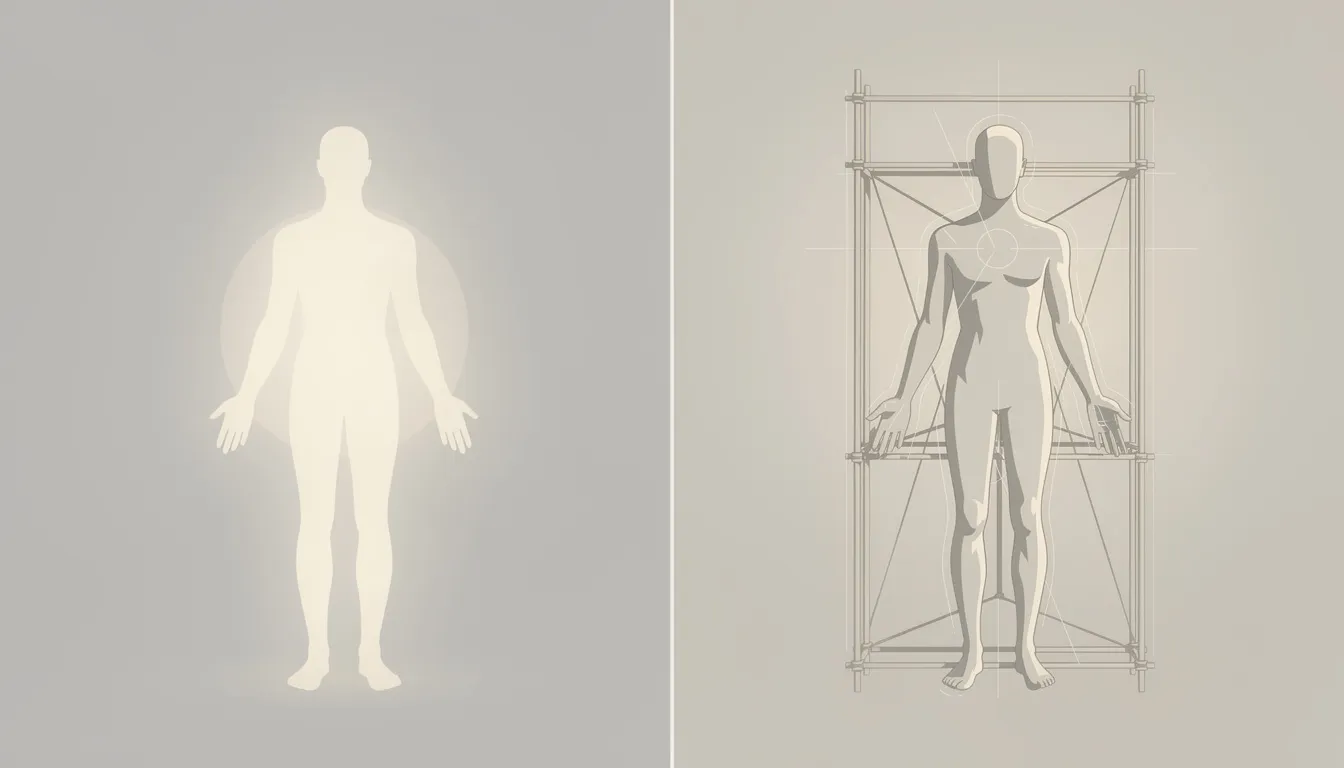
The Question Every IFS Therapist Eventually Faces: When to Use What?
You do not need to switch camps. The most effective clinicians choose which lens is primary for each client or couple, sometimes shifting within a single treatment. This section offers a clinical decision framework.
Consider schema therapy as your primary frame when the client has been through 3 or more therapies without sustained change, when chronic suicidality or self-harm persists despite extensive parts work, when couples present with repeated infidelity combined with personality disorder traits on one or both sides, when the client’s Self seems absent (not just blended with protective parts), or when severe early neglect means the healthy adult capacity was never built.
Clinical Presentations Favoring Schema Therapy
Schema therapy typically works better as the primary frame for personality disorders (especially BPD and NPD) with chronic patterns and high dropout risk, severe complex PTSD with extensive early neglect where healthy adult mode is almost absent, treatment-resistant depression and chronic anxiety where prior therapies (including parts work) have not shifted entrenched patterns, eating disorders with strong overcontroller or detached modes, and high-conflict couples with entrenched blame, contempt, and repeated rupture-repair failures.
Clinical Presentations Favoring IFS Therapy
IFS may be an excellent primary frame for single-incident trauma or more contained developmental trauma where ego strength remains intact, depression and anxiety without strong personality disorder features, clients drawn to spiritual or contemplative language who resonate strongly with Self and the 8 Cs from transpersonal psychology traditions, individuals wary of structured or directive approaches who want an inner-led process, and clients who demonstrate consistent access to Self-energy between sessions, whereas approaches like schema therapy may be more appropriate when entrenched, maladaptive patterns are present.
A Couples Vignette
A Manhattan couple arrived at Loving at Your Best after the third discovery of infidelity. He was a successful finance executive with narcissistic traits, emotionally unavailable, dismissive of her pain. She showed borderline features, oscillating between desperate pursuit and rageful attack.
Standard couples work had failed them twice. Their previous therapists reported feeling overwhelmed by the intensity and stuck in repeated cycles.
Using schema therapy, the treating clinician mapped each partner’s modes. He operated from detached protector most of the time, with occasional overcompensator mode when his grandiosity was threatened. Beneath both lay a vulnerable child who had learned that needs equal weakness. She cycled rapidly between vulnerable child flooding, angry child mode, and punitive parent self-attack.
With mode maps clear, interventions became strategic. Limited reparenting helped her vulnerable child feel safe enough to stay present rather than flooding. Empathic confrontation challenged his detached protector while validating the vulnerable child beneath. IFS-informed curiosity helped both partners develop self-compassion for their own and each other’s wounded parts.
Imagery rescripting sessions helped him access the vulnerable child beneath his detached protector. Limited reparenting in the couples context involved validating her vulnerable child while setting firm boundaries when angry child mode emerged. Over 18 months, the infidelity stopped. Both developed capacities for emotional regulation and repair that previous therapies had not addressed. The combination of schema structure and IFS compassion reached what neither approach alone could access. They achieved the harmonious relationship patterns they had never experienced.
Decision Factor | Lean Toward IFS | Lean Toward Schema Therapy |
|---|---|---|
Severity of early neglect | Moderate | Severe |
Personality disorder features | Minimal | Prominent |
Previous therapy response | Some benefit | Multiple failures |
Self/Healthy Adult access | Consistently available | Absent or intermittent |
Client preference in Schema Therapy for Couples | Non-directive, spiritual | Evidence-based, structured |
Couples complexity | Lower conflict | High conflict with PD traits |
Professional Development and Personal Growth: Why Schema Therapy Training Matters
Investing in schema therapy training expands your clinical range without abandoning what you already know. For therapists who already understand internal systems, the learning curve is gentler than starting from scratch.
Schema therapy helps IFS-trained therapists feel less helpless with BPD traits, NPD presentations, chronic suicidality, and repeated self-sabotage. When you have a map of 18 schemas and 10 modes, case conceptualization becomes more precise. Supervision conversations become clearer. You know what you are targeting and why.
Your existing comfort with parts work speeds up learning modes and schemas. The concepts translate. Your empathic stance in IFS therapy transfers directly to limited reparenting and guided imagery work. You already know how to hold wounded child states with self-compassion.
Schema mode language helps you communicate with psychiatrists, primary care physicians, and multidisciplinary teams. It provides structure for medical records and insurance documentation that parts language sometimes lacks.
IFS therapists are often solo practitioners. Professional sustainability matters. Referral network expansion follows ISST certification. Psychiatrists, medical centers, and employee assistance programs actively seek schema-trained clinicians for complex cases.
Higher fee justification becomes possible when you offer an evidence-based specialty with international recognition. You are not just a therapist; you are a certified specialist in a proven approach.
Couples niche differentiation sets you apart in competitive markets like NYC. High-functioning professionals seek evidence-based care and are willing to pay for expertise.
Insurance panel advantages emerge when you can document training in an approach with substantial RCT support.
Clinicians who combine IFS sensibilities with schema therapy structure report dramatically different outcomes with their most challenging cases. Clients who cycled through multiple therapists finally make progress. Dropout rates decrease. Personal growth extends beyond symptom reduction to fundamental shifts in how clients relate to themselves and others. Neither approach alone reaches the full range of presentations that walk through the door. Integrating IFS and schema therapy in clinical supervision enhances insight and emotional regulation for therapists themselves.
Certification Pathways: ISST Schema Therapy vs IFS Institute Training
Taking a workshop and achieving formal certification are different milestones. Understanding the pathway helps you plan realistically.
The IFS Institute offers a structured progression. IFS Level 1 involves approximately 112 training hours covering core concepts and techniques. Level 2 deepens skills with specific populations and challenges. Optional Level 3 and assistant/Program Assistant roles provide advanced training. Consultation requirements and video review support skill development. Full IFS certification requires additional supervised practice beyond Level 1 training.
Many clinicians describe themselves as “IFS trained” after completing Level 1. This is accurate. But “IFS trained” is not the same as “IFS certified.” The distinction matters for understanding your credentials and representing yourself accurately.
ISST (International Society of Schema Therapy) certification involves standard and advanced tracks with different requirements. The pathway requires 20 to 40 hours of supervision with ISST-approved supervisors, working with 2 to 4 patients across 80 or more sessions, submission of recorded sessions for independent review, and competency ratings of 4.0 to 4.5 on standardized assessment scales. The typical timeframe is 3 to 5 years from initial training to full certification.
Certification Dimension | IFS | ISST Schema Therapy |
|---|---|---|
Initial training hours | ~112 (Level 1) | Varies by track |
Supervised cases required | Variable | 2-4 patients, 80+ sessions |
Video rating requirement | Yes | Yes, independent rating |
Timeframe to certification | Variable | 3-5 years typical |
International recognition | Growing | Established across Europe, North America, globally |
This rigor ensures that ISST-certified therapists can actually deliver high-quality schema therapy, not just describe the theory. It supports international recognition of competence across countries and healthcare systems.
Schema Therapy Training Center programs are ISST-approved and structured to help clinicians move from introductory training through full certification. Online access makes training available to therapists throughout New York, Vermont, and internationally where licensing permits.
Integration: Bringing IFS and Schema Therapy Together in Real Practice
You do not have to choose one therapy model forever. Many of the most effective clinicians integrate both, selecting strategically based on what each client needs. Both therapies can be combined for a holistic approach to healing.
Use schema mode maps as the overarching structure, then approach each mode with IFS-style curiosity and Self qualities. When the detached protector emerges, you might ask, “What is this protective part afraid would happen if it let you feel?”
Start with schema therapy limited reparenting and imagery rescripting to reinforce safety, then introduce IFS unburdening for deeply held beliefs when clients develop adequate capacity. The sequence matters: build safety first, then do the deeper work.
In couples work, create joint mode maps for each partner, then help partners respond from Healthy Adult and Self-led qualities during conflict. When one partner’s vulnerable child triggers the other’s punitive parent, both can recognize the dynamic and shift consciously.
A professional Manhattan couple presented with repeated infidelity and chronic shutdown. She felt abandoned and panicked. He felt suffocated and withdrew. The therapist combined approaches fluidly. An IFS-informed unblending moment: “Can you notice that Firefighter part that wants to check his phone right now? Can it step back just a little?” Immediately followed by schema mode language: “I see your Detached Protector activating. That makes complete sense given what just happened.”
Both frameworks clarified the process for clients. Both supported the therapeutic relationship. Integration was not confusing, it was illuminating.
Do not overcomplicate language for clients. Choose either “parts” or “modes” as your primary client-facing vocabulary. You can hold both frameworks internally while keeping communication clean.
Clarify your internal intent before sessions. Am I leading with schema structure today, or following IFS principles? Both are valid. Confusion is not.
Both approaches share core principles: a non-pathologizing stance toward parts and modes, strong emphasis on attachment repair and corrective emotional experience, recognition of the client’s inner wisdom and potential for personal growth, and self-compassion as the fundamental therapeutic posture.
To begin integration with your next client, try this three-step approach. First, map their IFS parts into schema modes using the translation guide from earlier in this article. Second, choose one schema technique to try, perhaps imagery rescripting, which IFS therapists often find intuitive. Third, notice what shifts in your work. More structure? Clearer interventions? New access points?
What IFS-Trained Therapists Say After Schema Therapy Training
Therapists often arrive at STTC with the same concern: “Will I lose what I love about IFS?” Here is what they discover instead.
“I was worried that schema therapy would feel too structured and clinical after years of IFS practice. What I found was that the structure actually freed me to be more present. I knew what I was doing and why, which let me attune more deeply. My BPD clients, who used to terrify me, now feel workable.”
“The limited reparenting concept seemed boundary-crossing to me at first. Then I experienced it in my own training. Feeling truly met by a therapist who was willing to provide what I needed, not just facilitate my access to my own resources, changed something fundamental. Now I offer that to my clients, and the vulnerable child in them finally settles.”
“After 15 years of IFS practice, I thought I had seen everything. Schema therapy gave me a new lens for couples that made chronic patterns finally make sense. When I could map both partners’ mode cycles, rupture-repair actually became possible. We went from stuck to moving.”
“I still use IFS language with many clients. The difference is that now I have schema tools for the clients where IFS alone was not enough. My treatment-resistant cases are no longer treatment-resistant.”

Frequently Asked Questions for IFS-Trained Therapists
Will I have to abandon IFS if I train in schema therapy?
Absolutely not. Schema therapy training is an evolution, not a replacement. Your IFS skills transfer directly and enhance your schema work. Many clinicians maintain active practices using both therapy models, choosing the primary frame based on each client’s presentation. The parts-oriented understanding you have developed becomes an asset, not an obstacle. You will likely find yourself thinking, “This mode work feels like parts work with additional structure and a stronger evidence base.”
Is schema therapy too directive for clients who value an inner-led process?
This concern makes sense given IFS’s emphasis on following the client’s internal system. Schema therapy is more structured, and limited reparenting involves the therapist actively providing something rather than purely facilitating access. However, directive does not mean controlling, and structured does not mean cold. Limited reparenting, imagery rescripting, and chair work are all delivered with self-compassion and attunement. The focus remains on meeting the client’s genuine unmet needs, particularly when those needs were never addressed in childhood. Many clients experience schema therapy as deeply caring precisely because the therapist is willing to actively give what was missing.
Can I still do Self-led work if I use schema modes?
Yes. The Healthy Adult mode and the IFS Self share significant overlap. Both represent the capacity for wisdom, calm, and compassionate action. You can think of them as complementary rather than competing concepts. In practice, you might use schema mode language to identify what is happening (“Your Detached Protector just came online”) while maintaining IFS-style curiosity and Self-led presence in how you respond. The integration enriches both approaches.
What about clients who do not have insurance or cannot commit to 3-5 years of therapy?
Schema therapy research shows significant benefits across treatment durations, not only in extended protocols. While full schema mode work for personality disorders may involve longer treatment, experiential techniques like imagery rescripting and chair work can create meaningful change in shorter timeframes. The skills you develop transfer to all your clinical work, regardless of treatment length. Additionally, schema therapy’s evidence for cost-effectiveness suggests that even when sessions are numerous, outcomes justify investment.
How long does ISST certification realistically take?
Most clinicians complete ISST certification in 3 to 5 years from initial training. Factors that affect timeline include your caseload of appropriate clients, availability of supervision, and speed of developing competency. The requirement to work with 2 to 4 patients across 80 or more sessions means you need adequate volume of personality disorder or complex cases. Schema Therapy Training Center structures continuing education to support efficient movement through certification requirements.
What makes STTC different from other schema therapy training programs?
Schema Therapy Training Center offers direct lineage to Jeffrey Young through Travis Atkinson’s training relationship with him since 1998. STTC programs are ISST-approved, ensuring your certification is internationally recognized. The center emphasizes connection-focused learning, understanding that mastery develops through relationship, not just content consumption. Online accessibility means therapists across New York, Vermont, and internationally can access training without geographic barriers. STTC offers both individual and couples schema therapy tracks, with particular depth in couples work that reflects Travis Atkinson’s co-creation of schema therapy for couples.
Can I use schema therapy with my existing IFS caseload?
Yes, with appropriate transparency. You might introduce mode language by saying, “I have been learning some additional frameworks that I think could help us understand these patterns differently. Would you be open to exploring that?” Many clients find schema concepts immediately clarifying, particularly the vulnerable child mode and punitive parent mode language. Start gently, choose clients who seem stuck, and notice what shifts.

Next Steps with Schema Therapy Training Center
Schema therapy does not replace IFS work. It completes it.
Over 25 years of clinical integration have demonstrated that both approaches have a place in the consulting room. The question is not whether to abandon what you know but whether to expand what you can offer.
If you work with personality disorders, treatment-resistant clients, or complex couples, schema therapy gives you tools that IFS alone cannot provide. The evidence base is stronger. The structure is clearer. The outcomes with severe presentations are better documented. And the core principles align with what drew you to parts work in the first place: self-compassion, insight, healing of wounded inner states, and deep understanding of how early life shapes who we become.
Schema Therapy Training Center offers ISST-approved programs led by a practitioner who has walked this exact path. Travis Atkinson holds Honorary Lifetime ISST Membership, serves on the ISST Board, and maintains active training relationship with the approach’s founder. STTC’s connection-focused learning philosophy means you will not just absorb content but develop genuine competency through relationship and practice.
STTC offers both individual and couples schema therapy training, with online access for therapists in New York, Vermont, and internationally where licensing permits. The skills you develop will serve your most challenging clients and strengthen your professional identity.
Explore STTC’s ISST-Approved Training Programs to see which track fits your clinical focus and schedule. Download the Quick Guide to IFS-Schema Integration for practical tools you can use immediately. Schedule a 15-Minute Conversation with Travis to discuss your specific training questions and goals.
The next cohort begins January 21, 2027, with space for clinicians committed to depth and mastery. If you are ready to evolve your practice without abandoning what you love about parts work, this may be the right moment to take that step.
The clients who have defeated multiple therapists are waiting. The couples on the edge of destruction need clinicians who can meet them where other approaches could not. Your IFS training prepared you for this. Schema therapy gives you what comes next.
References
Research Citations
Atkinson, T. (2012). Schema therapy for couples: Healing partners in a relationship. In M. van Vreeswijk, J. Broersen, & M. Nadort (Eds.), The Wiley-Blackwell Handbook of Schema Therapy: Theory, Research, and Practice (pp. 323-335). Wiley-Blackwell.
Behary, W. T., & Dieckmann, E. (2011). Schema therapy for narcissism: The art of empathic confrontation, limit-setting, and leverage. In W. K. Campbell & J. D. Miller (Eds.), The Handbook of Narcissism and Narcissistic Personality Disorder (pp. 445-456). John Wiley & Sons.
Cockram, D. M., Drummond, P. D., & Lee, C. W. (2010). Role and treatment of early maladaptive schemas in Vietnam veterans with PTSD. Clinical Psychology & Psychotherapy, 17(3), 165-182.
Fassbinder, E., Schweiger, U., Martius, D., Brand-de Wilde, O., & Arntz, A. (2016). Emotion regulation in schema therapy and dialectical behavior therapy. Frontiers in Psychology, 7, 1373.
Giesen-Bloo, J., van Dyck, R., Spinhoven, P., van Tilburg, W., Dirksen, C., van Asselt, T., Kremers, I., Nadort, M., & Arntz, A. (2006). Outpatient psychotherapy for borderline personality disorder: Randomized trial of schema-focused therapy vs transference-focused psychotherapy. Archives of General Psychiatry, 63(6), 649-658.
Haddock, S. A., Weiler, L. M., Trump, L. J., & Henry, K. L. (2014). The efficacy of internal family systems therapy in the treatment of depression among female college students: A pilot study. Journal of Marital and Family Therapy, 40(1), 103-115.
Hodgdon, H. B., Anderson, F. G., Southwell, E., Pease, W., & Schwartz, R. C. (2022). Internal family systems (IFS) therapy for posttraumatic stress disorder (PTSD) among survivors of multiple childhood trauma: A pilot effectiveness study. Journal of Aggression, Maltreatment & Trauma, 31(1), 22-43.
Malogiannis, I. A., Arntz, A., Spyropoulou, A., Tsartsara, E., Aggeli, A., Karveli, S., Vlavianou, M., Pehlivanidis, A., Papadimitriou, G. N., & Zervas, I. (2014). Schema therapy for patients with chronic depression: A single case series study. Journal of Behavior Therapy and Experimental Psychiatry, 45(3), 319-329.
Masley, S. A., Gillanders, D. T., Simpson, S. G., & Taylor, M. A. (2012). A systematic review of the evidence base for schema therapy. Cognitive Behaviour Therapy, 41(3), 185-202.
Pugh, M. (2015). A narrative review of schemas and schema therapy outcomes in the eating disorders. Clinical Psychology Review, 39, 30-41.
SAMHSA NREPP. (2015). Internal Family Systems Model. National Registry of Evidence-based Programs and Practices. Substance Abuse and Mental Health Services Administration.
Schwartz, R. C., & Sweezy, M. (2019). Internal Family Systems Therapy (2nd ed.). Guilford Press.
Simeone-DiFrancesco, C., Roediger, E., & Stevens, B. A. (2015). Schema Therapy with Couples: A Practitioner’s Guide to Healing Relationships. Wiley-Blackwell.
Taylor, C. D. J., Bee, P., & Haddock, G. (2017). Does schema therapy change schemas and symptoms? A systematic review across mental health disorders. Psychology and Psychotherapy: Theory, Research and Practice, 90(3), 456-479.
van Asselt, A. D., Dirksen, C. D., Arntz, A., Giesen-Bloo, J. H., van Dyck, R., & Spinhoven, P. (2008). Out-patient psychotherapy for borderline personality disorder: Cost-effectiveness of schema-focused therapy vs transference-focused psychotherapy. British Journal of Psychiatry, 192(6), 450-457.
Schema Therapy Core Texts
Arntz, A., & Jacob, G. (2017). Schema Therapy in Practice: An Introductory Guide to the Schema Mode Approach. Wiley-Blackwell.
Rafaeli, E., Bernstein, D. P., & Young, J. E. (2011). Schema Therapy: Distinctive Features. Routledge. For recent developments in schema therapy, visit the Schema Therapy Training Blog.
Young, J. E., Klosko, J. S., & Weishaar, M. E. (2003). Schema Therapy: A Practitioner’s Guide. Guilford Press.
IFS Resources
Schwartz, R. C. (1995). Internal Family Systems Therapy. Guilford Press.
Siegel, D. J. (2011). Mindsight: Transform Your Brain with the New Science of Kindness. Bantam Books.
Spring 2027 Schema Therapy for Individuals: Online Training
Interested in deepening your Schema Therapy practice?
Our Spring 2027 training is designed for clinicians who want practical, case-based learning they can integrate into their clinical work.